
Purple Tea Farm Tours Nairobi: Complete Guide to Tigoni Purple Tea
August 17, 2026
in Guide
For travellers looking beyond the traditional Kenyan tea experience, a purple tea farm tour near Nairobi offers the opportunity to discover one of the country's most distinctive tea varieties directly where it is grown.
Kenya is internationally recognised for black tea, but the country's highlands also produce purple tea—a speciality tea distinguished by the purple coloration of its young leaves. Purple tea varieties were developed through Kenya's tea research programme, and the colour comes from anthocyanins, naturally occurring pigments also found in foods such as blueberries and purple grapes.
Two destinations stand out for visitors interested specifically in the experience: Tigoni Tea Farm Tours at Ravenswood Farm in Tigoni and Gatura Greens in Gatanga, Murang'a County.
The experiences are different enough to appeal to different travellers. Tigoni Tea Farm Tours provides a convenient purple tea experience in the Limuru highlands close to Nairobi, combining tea picking, processing and tasting with a scenic walk through Tigoni's famous tea landscape. Gatura Greens offers a longer purple-tea-focused day excursion in Murang'a that can include a waterfall hike and farm-to-table lunch.
For anyone searching for purple tea farm tours Nairobi, this guide explains what purple tea is, where you can see it growing and what to expect from the experience.

What Is Purple Tea?
At first glance, visitors walking through a Kenyan tea plantation might assume every tea bush is essentially the same.
Look more closely at purple tea and you'll notice something unusual.
The young shoots can have a distinctive reddish-purple appearance rather than the completely green colour normally associated with tea. The pigmentation comes from anthocyanins, which give certain plants their red, blue and purple colours.
Purple tea is not simply ordinary black tea with colouring added later. The difference begins on the tea bush itself.
That makes visiting a purple tea farm particularly interesting. You can see the plants growing, compare them with conventional tea bushes and then follow the leaves through harvesting, processing and finally tasting.
For travellers interested in agriculture, food, speciality tea or Kenyan innovation, it provides much more context than simply ordering a cup of purple tea at a café.
Why Is Purple Tea Grown in Kenya?
Kenya's central highlands provide excellent conditions for tea cultivation: high elevations, reliable rainfall, fertile soils and relatively cool temperatures.
Purple tea was developed through Kenya's tea research programme as a speciality tea variety containing anthocyanins while remaining suited to local growing conditions. Kenya's Tea Research Foundation—now operating within the Kenya Agricultural and Livestock Research Organization's Tea Research Institute—has played an important role in the development of improved Kenyan tea cultivars.
Today, purple tea remains far less common than Kenya's conventional tea varieties.
That rarity is precisely what makes a purple tea farm visit interesting.
Instead of simply learning how tea is produced, you're discovering a speciality crop that many international visitors have never seen growing.
Best Purple Tea Farm Tours Near Nairobi
For visitors starting in Nairobi, there are two particularly interesting options.
1. Tigoni Tea Farm Tours – Ravenswood Farm
For travellers who want a purple tea farm tour close to Nairobi, Tigoni is one of the most convenient destinations.
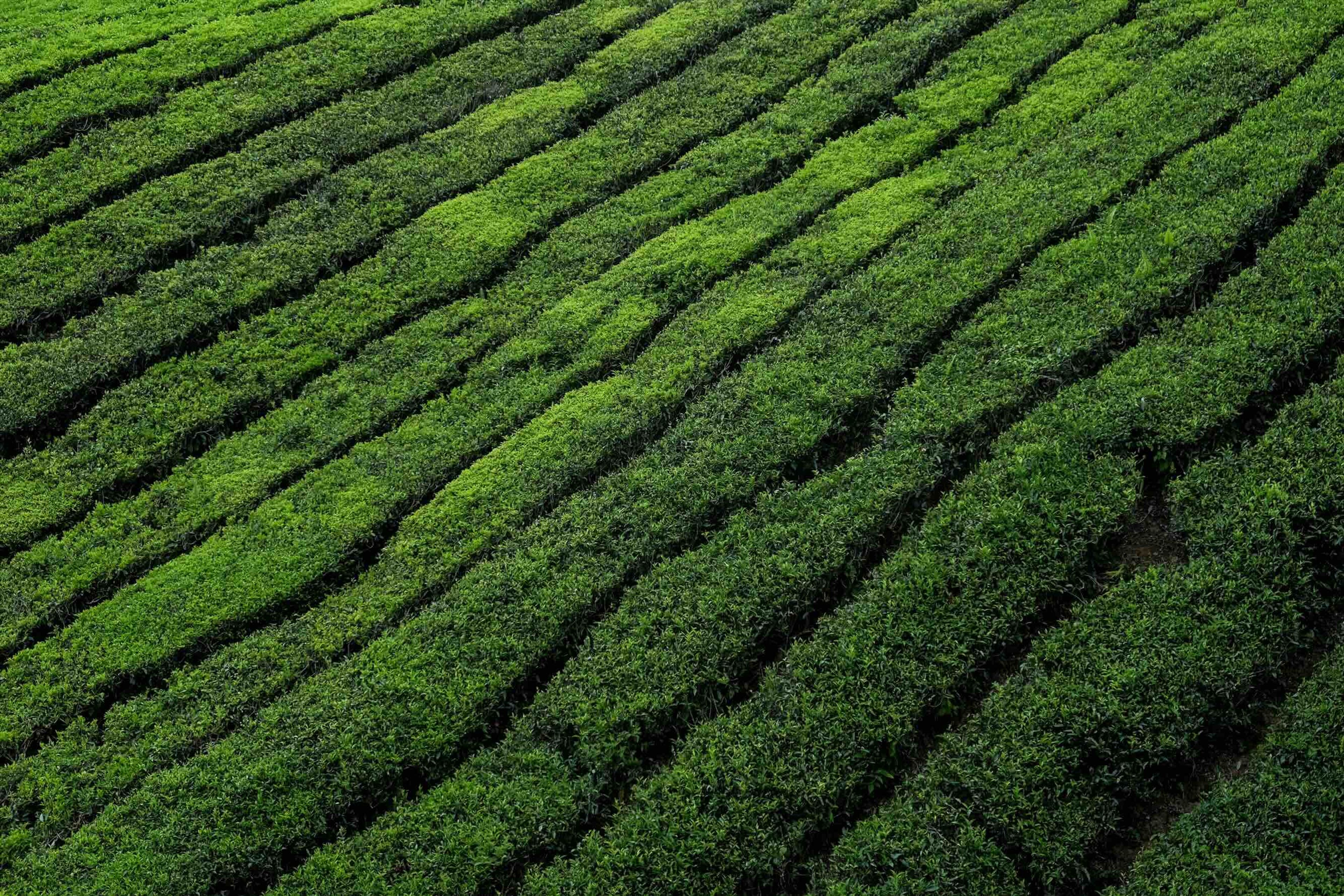
Tigoni Tea Farm Tours operates from Ravenswood Farm in the Limuru highlands, an area characterised by rolling tea plantations, cool temperatures and some of the most beautiful agricultural landscapes around Nairobi.
The experience goes beyond simply walking through tea fields.
Visitors participate in the journey of Kenyan tea from the plant to the cup: walking through the plantation, learning about the crop, trying tea picking, seeing how harvested leaves are processed and eventually tasting different teas.
Purple tea adds another layer to that experience because guests have an opportunity to learn how it differs from the more familiar varieties grown around Tigoni.
Tigoni Tea Farm Tour Sessions
Tours operate in three daily sessions:
- 9:00 AM
- 12:00 PM
- 3:00 PM
This makes Tigoni particularly practical for travellers who don't want to dedicate an entire day to a tea tour.
You could visit the farm in the morning and spend the afternoon exploring Tigoni, or choose the midday session and combine the experience with lunch at one of the area's countryside restaurants.
What Happens on the Tigoni Purple Tea Farm Tour?
1. Welcome and Introduction to Tigoni Tea
The experience begins with an introduction to the farm and Tigoni's tea-growing landscape.
Rather than immediately beginning the walk, guests first gain some context about the crop they're about to see.
This is important because tea has played an enormous role in shaping the landscape around Tigoni. What appears today as endless beautiful green hills is also a working agricultural environment.
The introduction provides a foundation for understanding what happens next—from identifying different tea leaves to understanding how picking techniques influence the final product.
2. Walk Through the Tea Plantation
The guided farm walk takes visitors directly into the tea fields.
Walking between the rows allows you to see how the bushes are cultivated and maintained while learning about the growing conditions that make the Limuru highlands suitable for tea.
The landscape is also an important part of the experience.
Tigoni's elevation creates a noticeably cooler environment than Nairobi, and the plantations stretch across rolling hills with forested sections and countryside views in between.
This makes the tour both agricultural and scenic.
3. See Purple Tea Growing
This is where the experience becomes particularly interesting for visitors specifically searching for purple tea farm tours near Nairobi.
Instead of seeing purple tea only after it has been processed and packaged, you get to examine the plant in the field.
Your guide can point out the distinctive young leaves and explain how they differ visually from conventional tea growing nearby.
Being able to compare varieties side by side makes it much easier to understand why purple tea is considered a speciality product.
And yes—the colour exists before the tea reaches your cup.
4. Try Tea Picking
Visitors then have an opportunity to experience one of the most fundamental stages of tea production: harvesting.
Tea picking is much more precise than simply pulling leaves from a bush.
Guests learn which part of the plant is harvested and why selecting the correct shoots matters to tea quality. You can then try picking the leaves yourself.
It's a simple activity, but it completely changes how you look at the finished cup of tea.
After spending time carefully selecting leaves by hand, you begin to appreciate the human work behind an industry that produces millions of kilograms of Kenyan tea every year.
It is also one of the most interactive and photographable parts of the experience.
5. Learn How Tea Is Processed
Fresh tea leaves don't taste or look anything like the tea most people recognise.
They have to undergo processing.
After the plantation experience, the tour moves into a tea-processing demonstration that explains how freshly harvested leaves are transformed into drinkable tea.
Visitors can see how processing changes the structure, aroma and characteristics of the leaves.
This stage connects everything together.
You've seen where the plant grows.
You've picked the leaves.
Now you can understand what happens between the farm and the cup.
For many visitors, this becomes one of the most educational parts of the tour because tea processing is something consumers rarely get to see.
6. Purple, Green and Black Tea Tasting
The experience eventually arrives at the part everyone has been waiting for: tasting.
Rather than treating tea as a single drink, the tasting session encourages visitors to compare different teas and pay attention to their colour, aroma and flavour.
At the Tigoni experience, tastings can include purple tea, green tea and black tea.
Trying them alongside one another is particularly useful because differences that might seem abstract during the farm walk suddenly become noticeable in the cup.
The guide can explain how the tea plant, harvesting and processing influence what you're tasting.
This transforms tea drinking from an everyday routine into something you begin to understand.
2. Gatura Greens Purple Tea Farm Tour
Travellers willing to venture farther from Nairobi can also experience purple tea at Gatura Greens in Gatanga, Murang'a County.
Gatura has become particularly well known for creating an immersive experience around purple tea.
Unlike the shorter session structure available in Tigoni, Gatura's experience is generally designed as a full-day excursion, making it better suited to travellers who want tea to be the primary activity of their day.
Published tour itineraries generally describe an experience running approximately 9:30 AM to 3:00 PM, incorporating the tea farm with additional countryside activities.
What to Expect at Gatura Greens
The Gatura experience follows the tea journey while adding more of an adventure component.
Visitors begin by learning about purple tea before heading into the farm to pick leaves.
The experience then explores artisanal tea processing, giving participants an opportunity to understand how leaves move from freshly harvested agricultural produce into speciality tea.
Tea tasting follows, allowing visitors to experience the final product after seeing where it originated.
But Gatura adds something unusual to the typical tea-tour format.
Waterfall Hike
The experience can include a hike through the countryside to a nearby waterfall.
This gives visitors a break from the agricultural side of the tour and turns the day into a combination of tea + hiking + nature.
Some published itineraries also include an opportunity to swim at the waterfall, depending on conditions and the tour arrangement.
Farm-to-Table Lunch
The full-day experience is typically rounded out with a farm-style lunch.
That makes Gatura particularly appealing to visitors who want a complete day trip rather than a shorter activity.
Tigoni vs Gatura Greens: Which Purple Tea Farm Tour Should You Choose?
| Experience | Tigoni Tea Farm Tours | Gatura Greens |
|---|---|---|
| Location | Tigoni, Limuru | Gatanga, Murang'a |
| Best for | Convenient tea experience near Nairobi | Full-day purple tea excursion |
| Purple tea | Yes | Yes |
| Tea picking | Yes | Yes |
| Processing experience | Yes | Yes |
| Tea tasting | Yes | Yes |
| Tour sessions | 9 AM, 12 PM & 3 PM | Generally full-day |
| Waterfall experience | Waterfall hike included in published itineraries | Waterfall hike included in published itineraries |
| Lunch | Can be combined with nearby dining | Included in many full-day packages |
| Ideal traveller | Couples, families, short-stay travellers | Travellers with a full day available |
Neither experience needs to replace the other.
Choose Tigoni if you want an accessible purple tea farm tour near Nairobi that fits easily into a half-day Tigoni itinerary.
Choose Gatura Greens if you want to dedicate most of your day to an immersive purple tea experience combined with hiking, a waterfall and lunch.
How to Make a Full Day of Your Tigoni Purple Tea Tour
One advantage of choosing Tigoni is the number of other activities available nearby.
A good itinerary could begin with the 9:00 AM Tigoni Tea Farm Tour at Ravenswood Farm.
Spend the morning walking through the plantations, picking tea, learning about processing and comparing purple, green and black teas.
After the tour, stop for lunch in Tigoni.
The afternoon can then be used for another countryside experience such as:
- E-bike riding through the tea landscape
- Horse riding
- Hiking
- Waterfall walks
- Quad biking
- Spa experience
- Exploring other places to visit in Tigoni
That makes the purple tea tour part of a broader countryside day trip rather than the only reason for leaving Nairobi.
Who Should Take a Purple Tea Farm Tour?
You don't need to be a tea expert.
In fact, the experience can be more interesting when you aren't.
It's particularly suitable for:
- International visitors who want to understand one of Kenya's most important agricultural products.
- Couples looking for an unusual countryside date near Nairobi.
- Families wanting an educational outdoor experience.
- Food and tea enthusiasts interested in speciality products and farm-to-cup experiences.
- Corporate groups seeking a relaxed activity that encourages conversation.
- Photographers and content creators looking for Tigoni's characteristic green tea landscapes.
And, of course, anyone who has drunk Kenyan tea for years without ever seeing where it actually comes from.
What to Wear for a Purple Tea Farm Tour
Tea farms are working agricultural landscapes rather than paved tourist attractions.
Comfortable closed walking shoes are therefore highly recommended.
Tigoni can also be significantly cooler than Nairobi, particularly during cloudy mornings and rainy periods, so carry a light jacket.
For the best experience, bring:
- Comfortable walking shoes
- Light jacket
- Water bottle
- Sunscreen
- Hat on sunny days
- Camera or smartphone
- Rain jacket during wetter months
After rain, sections of the plantation can become muddy, so avoid footwear you wouldn't want getting dirty.
Why Purple Tea Farm Tours Are Different From Ordinary Tea Tours
A conventional tea tour explains an important Kenyan industry.
A purple tea experience adds another story: innovation within that industry.
You aren't only learning about something Kenya has produced for generations. You're seeing how research, agriculture and speciality markets continue to influence what Kenyan farmers grow.
And because you can physically see purple tea growing in the field, the experience is immediately understandable.
You see the plant.
You pick the leaves.
You learn how they're processed.
Then you taste the result.
That simple progression from farm to cup is what makes a purple tea farm tour one of the most interesting agricultural experiences available around Nairobi.
Frequently Asked Questions
Visitors looking for purple tea farm tours near Nairobi can consider Tigoni Tea Farm Tours at Ravenswood Farm in Tigoni or Gatura Greens in Gatanga, Murang'a County.
Tags :Guide
Share This Post :